Al Jazeera Report on Fertility Declines, Hungary and South Korea Policies
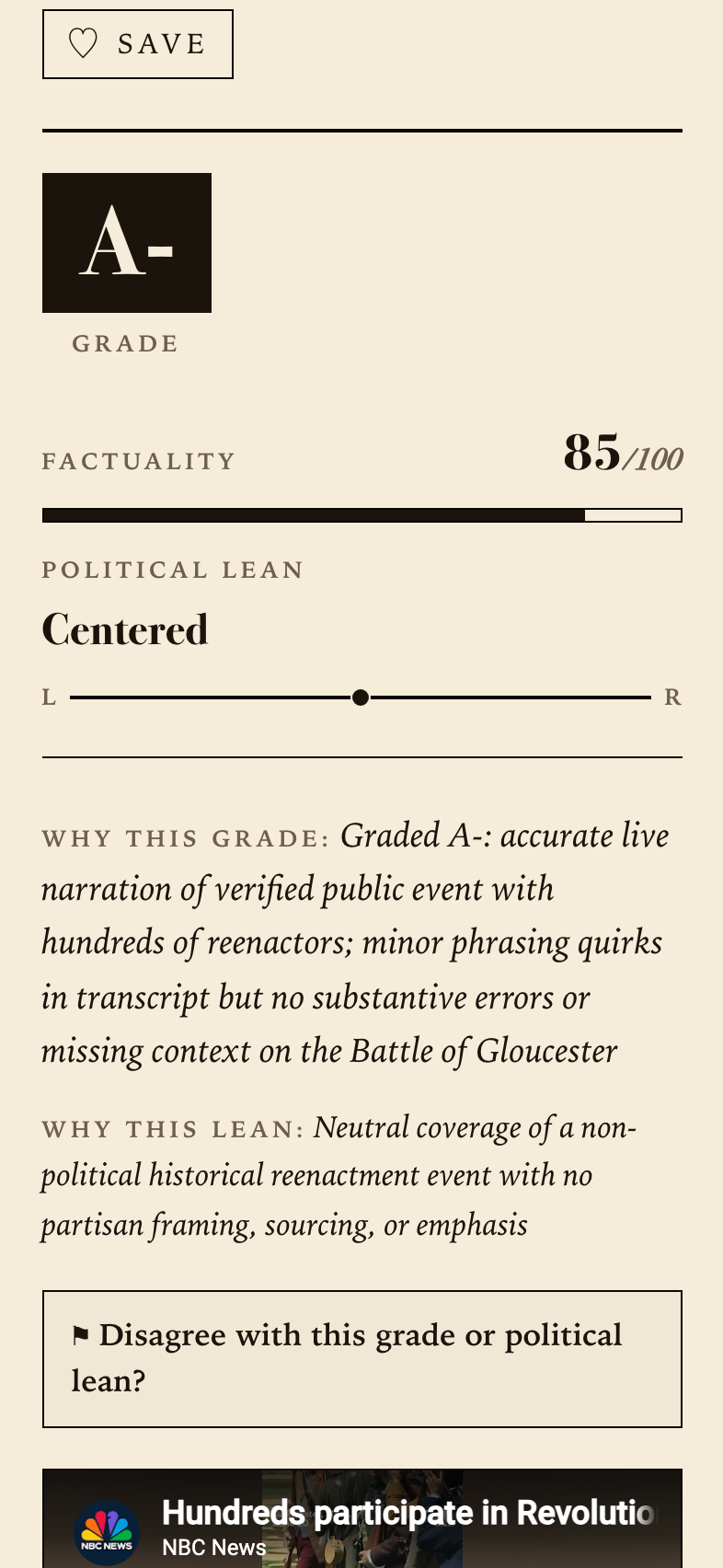
🔒 The letter grade, factuality score, and political-lean rating for this report are part of CladFacts Premium. The full report below is free to read.
Topics in This Edition
Summary
The broadcast profiles personal experiences of mothers in Hungary benefiting from tax breaks, subsidized daycare, and a baby-expecting loan of 10 million HUF, alongside a Budapest woman's account of restrictive abortion procedures leading her to Slovakia. It then examines South Korea's record-low fertility rate of 0.74 in 2024, tracing historical policy shifts from anti-natal campaigns in the 1960s to recent pro-natal investments, corporate work-hour limits, and young women's resistance via feminist movements prioritizing career and autonomy over marriage and children.
Editorial Assessment
Claims on fertility statistics, Hungary's loan program, and South Korea's 52-hour workweek cap align with official statistics and policy records. The segment provides useful on-the-ground perspectives but omits data on actual fertility rebounds or loan forgiveness rates under Hungary's system and downplays structural economic factors beyond corporate culture. Viewer perception may skew toward viewing all pro-natal measures as coercive without balanced discussion of voluntary uptake or long-term labor market impacts. Personal narratives effectively illustrate trade-offs but rely heavily on anecdotal framing over comprehensive demographic analysis.
Key Moments
Hungary offers 10 million HUF baby-expecting loan with tax reductions and free childcare for families meeting birth targets
Matches official Hungarian government family policy descriptions; loan is interest-free if conditions met.
South Korea fertility rate reached 0.74 in 2024, far below replacement level of 2.1
Consistent with Statistic Korea and recent OECD-aligned reports showing rates around 0.7-0.78.
Hungarian abortion process requires committee approval, mandatory ultrasound, and weeks of delay
Reflects reported procedural hurdles; additional legal and access details vary by source and year.
South Korea capped working hours at 52 per week to improve work-life balance and support families
Policy introduced in 2018 and expanded; analysts note it remains high relative to OECD averages.
Notable Concerns
- Selective focus on policy downsides with minimal data on effectiveness or beneficiary satisfaction