Grading Content & Exposing Bias

Outlet profile · Independent channel

DW News

Clad has been grading DW News segments since Jun 2026 — 128 reports so far, published several times a week. Its most-covered subjects on Clad: Ukraine & Russia, Iran, Foreign Policy. Every report checks the segment's load-bearing claims against primary sources, then scores the coverage for factual accuracy, political lean, and how the public received it — so you can see how DW News's reporting holds up story by story, not just take its word for it.

DW News's average grade, average political lean & social sentiment across all 128 reports unlock with a free CladFacts account — no card required.

Latest reports

Video: Rising bond yields hit multiyear highs amid Iran war, $40T US debt and AI borrowing

Rising bond yields hit multiyear highs amid Iran war, $40T US debt and AI borrowing

Oct 2, 2026

The DW News segment examines surging government bond yields across the US, France, and Japan, linking them to record debt levels, the ongoing Iran war pushing oil above $100 per barrel, and massive corporate borrowing to fund the AI data-center boom. It warns that higher borrowing costs are raising mortgage and loan rates, pressuring households, businesses, and growth, with France singled out for political risks ahead of its presidential election and Japan seeing yields at three-decade highs. Guest Joe Si of Business Insider attributes the spike mainly to oil-driven inflation and tighter Fed expectations, notes structural pressures from defense, pensions, and aging populations, and discusses differential market concerns based on reserve-currency status and domestic debt ownership. The discussion concludes that while risks to AI investment and housing are real, a strong underlying economy may limit damage to a temporary blip if the Iran conflict resolves.

Source: DW News

Video: Gen Z delays homeownership, marriage as EU house prices rise 65% since 2015

Gen Z delays homeownership, marriage as EU house prices rise 65% since 2015

Oct 1, 2026

The DW News segment explores why traditional adulthood milestones—homeownership, marriage, starting a family—are harder for Gen Z than for prior generations. It features interviews with two young UK-based financial educators (Ola Majuré and Gabriel Nusbam), an LSE professor on post-2008 economic conditions, and discusses stagnating wages, high housing costs, student debt, and social media's distorting effects. The piece contrasts frustration and delayed goals with evidence of Gen Z adaptation through activism and forward thinking, ending with a call for viewer input on local challenges. Sourcing mixes named young voices, an academic expert, referenced surveys (Northwestern Mutual, Pew), and Eurostat housing data. Graphics illustrate price-to-income shifts and EU trends; the narrative threads economic data with personal testimony and broader global protest context.

Source: DW News

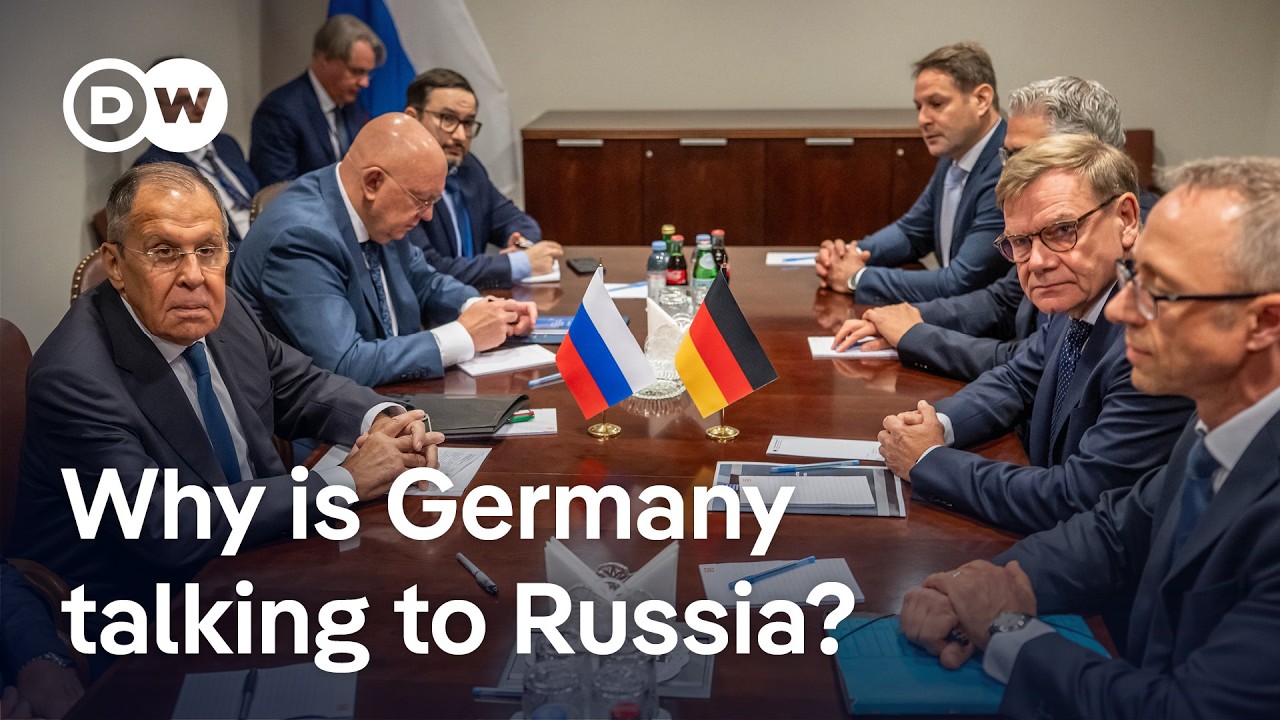
Video: Germany and Russia hold first foreign minister talks since 2022 Ukraine invasion

Germany and Russia hold first foreign minister talks since 2022 Ukraine invasion

Sep 26, 2026

The DW segment reported on the first meeting between German Foreign Minister Johann Wadephul and Russian Foreign Minister Sergey Lavrov since Russia's 2022 full-scale invasion of Ukraine. The roughly 20-minute talk occurred on the sidelines of the UN General Assembly in New York amid heightened tensions following Germany's accusation that Russia orchestrated an attempted drone attack on a Ukrainian cargo plane at Leipzig/Halle Airport in August. Reporter Benjamin Alvarez Guba described the encounter, Lavrov's press briefing downplaying it, and Wadephul's strong call for Russia to abandon escalation toward Germany, Europe, and NATO, plus his UN speech urging negotiations instead of violence. The report noted uncertainty over who initiated the meeting, recent comments by Ukrainian President Zelensky on openness to talks with Putin, and potential future meetings at G20 events. It also touched on Wadephul's broader UN address covering AI, international cooperation, and UN leadership transitions.

Source: DW News

Video: Sri Lanka monks bless drought fields as governments prepare for record El Niño

Sri Lanka monks bless drought fields as governments prepare for record El Niño

Sep 24, 2026

The DW News segment highlights symbolic and practical responses to the current strong El Niño event, which has broken records for sea surface temperatures. It opens with Sri Lankan monks flying over drought-stricken areas to sprinkle holy water and pray for rain, alongside government water trucking to remote villages. It then covers international measures: emergency declarations in California and Hawaii for storms and flooding, Panama Canal transit restrictions to conserve water, Indonesian cloud seeding with salt flares, upgrades to early warning systems, and UN efforts to fund preparedness. Sourcing relies on visual footage, official statements, and UN projections without named on-camera experts. The throughline emphasizes both cultural/religious actions and scientific/governmental preparations, noting the potential for 50 million more in acute hunger and that every preparedness dollar can save $7 in damages.

Source: DW News

Video: Banks warn AI shopping agents risk fraud as adoption grows

Banks warn AI shopping agents risk fraud as adoption grows

Sep 23, 2026

DW News reported on warnings from major banks about AI shopping agents that could autonomously search, compare prices and make purchases. The segment highlighted risks of fraud, scams, privacy breaches, incorrect purchases and unclear liability, noting that regulations lag behind technology. British retailer John Lewis reported AI-agent searches rising sharply. Guest Simon Taylor, fintech analyst, shared that he uses agents with safeguards like Stripe Link and virtual cards, discussed liability frameworks via card networks, and predicted wider adoption in 2-3 years for low-risk tasks. The interview relied on the banks' recent joint principles paper, referenced merchant examples such as Amazon blocking agents, and explored AI alignment and incentives. Taylor emphasized protections from Visa/Mastercard mandates, chargebacks and audit trails while acknowledging edge cases and evolving standards remain unresolved.

Source: DW News

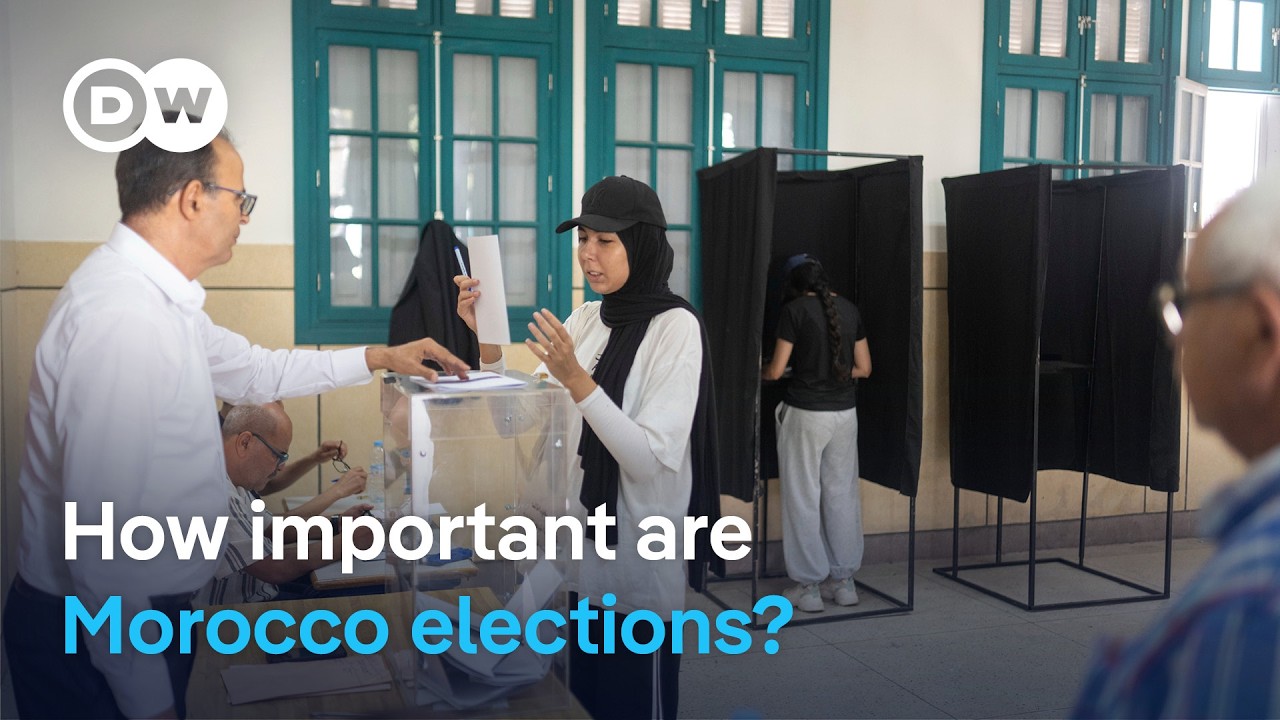
Video: Morocco holds parliamentary vote with youth turnout near zero

Morocco holds parliamentary vote with youth turnout near zero

Sep 23, 2026

DW News covered Morocco's September 23, 2026 parliamentary elections as a test of public confidence amid widespread voter apathy, especially among youth. Segments focused on low turnout at polling stations in Rabat, dominant campaign issues of jobs, cost of living, healthcare and housing, and the disconnect between 4.4% projected GDP growth and persistent youth unemployment. Correspondent Yan Philip Schultz reported empty polling stations and analyst projections of turnout possibly below 40%; expert Alyssa Javier from the Atlantic Council discussed structural barriers, World Cup spending priorities, and the limited but real domestic role of parliament under the monarchy. Reporting relied on street interviews, official registration statistics, recent protest and migration context, and expert analysis rather than anonymous sources. The throughline was youth disillusionment—visible in low 3-4% registration for 18-24 year olds, Gen Z protests in 2025, and the July 2026 Ceuta border surge—despite political promises to channel World Cup economic gains toward young Moroccans.

Source: DW News

Video: Morocco holds parliamentary elections amid youth frustration and low registration

Morocco holds parliamentary elections amid youth frustration and low registration

Sep 22, 2026

The DW News segment profiles two young Moroccans ahead of Morocco's September 23, 2026 parliamentary elections: one disengaged and attempting irregular migration to Europe via Ceuta, the other running as the country's youngest parliamentary candidate. It highlights steady economic growth and prestige infrastructure like the 250m Mohammed VI Tower contrasted with widespread youth frustration over unemployment, poor healthcare and education, rising living costs, and regional disparities. Reporters note low expected turnout (under 37-50%) and Gen Z rejection of established parties, followed by studio discussion with correspondent Yan Philip Schultz on generational/regional divides and expert Intissar Fakir on why elections mean little to protesting youth.

Source: DW News

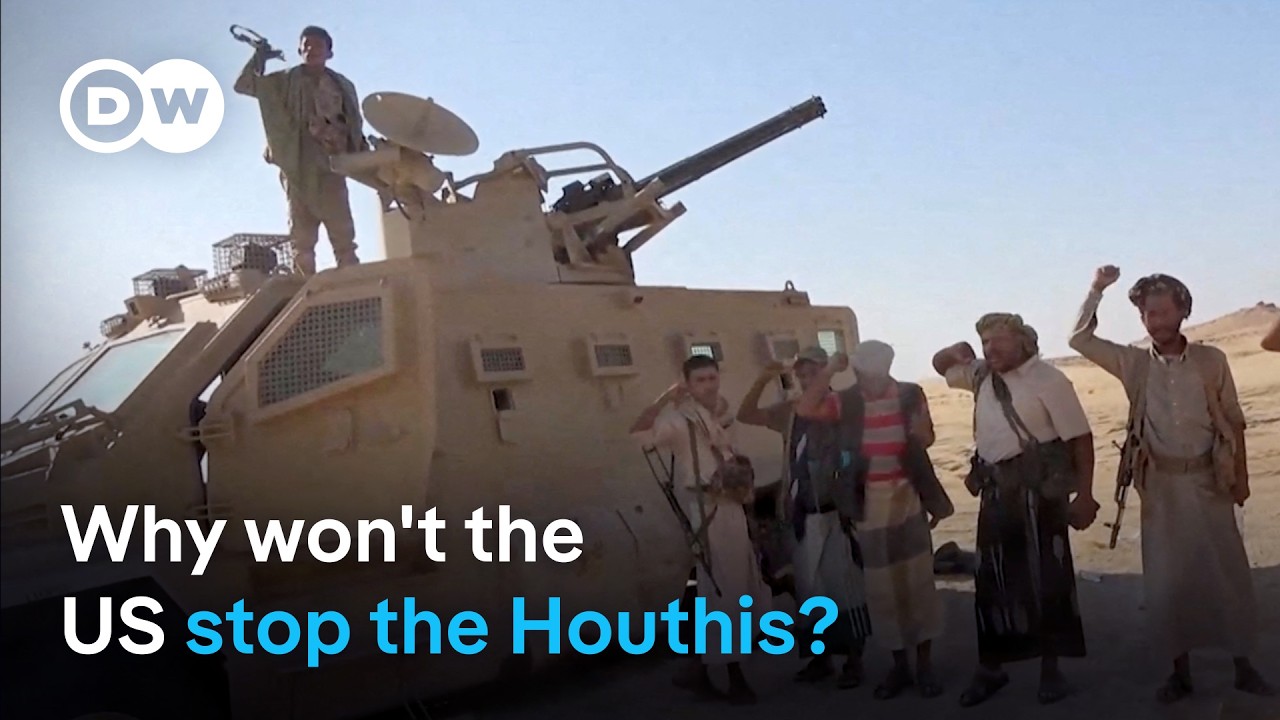
Video: Houthis seize Yemen's Red Sea coast and Perim Island as Trump halts strikes

Houthis seize Yemen's Red Sea coast and Perim Island as Trump halts strikes

Sep 21, 2026

The DW News segment examines recent Houthi military advances in Yemen, including the rapid capture of Mocha port, Perim Island, and Yemen's entire western Red Sea coastline in early September 2026. It discusses the strategic implications for global shipping through the Bab al-Mandeb Strait, Saudi Arabia's security concerns, U.S. hesitation under President Trump to launch airstrikes despite Saudi requests, limited UK defensive support via air-to-air refueling, the new Mecca defense pact with Turkey and Pakistan, Houthi battlefield effectiveness, emerging AI use in weapons development, and the dire humanitarian fallout with over 100,000 displaced and thousands fleeing to Djibouti. The analysis relies on expert Megan Sutcliffe from Sibylline, a geopolitical risk consultancy. No anonymous sources or on-the-ground footage are used; the discussion draws on recent reporting, with references to the 2022 truce breakdown, prior U.S. strikes in 2024-2025, and Anthropic's September misuse report on Houthi AI applications. The throughline is U.S. restraint amid broader Middle East tensions and the limits of proxy warfare and alliances.

Source: DW News

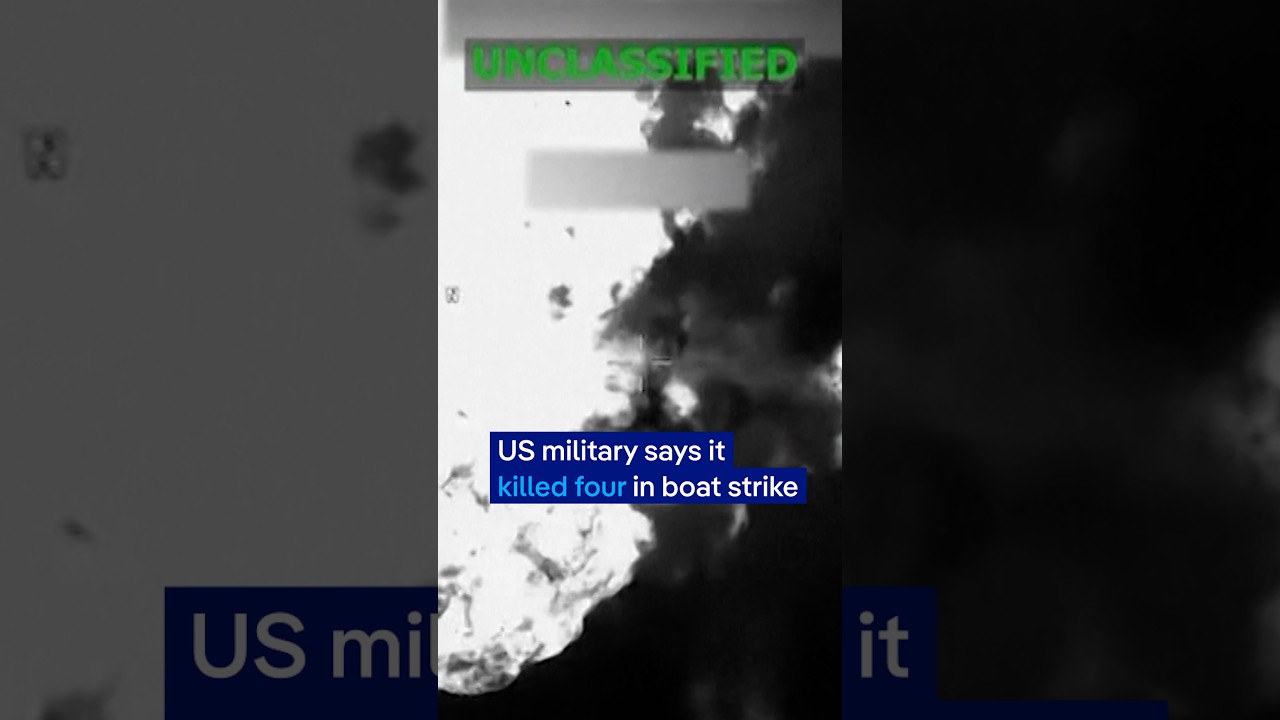
Video: US kills four in latest Caribbean boat strike on alleged narco-traffickers

US kills four in latest Caribbean boat strike on alleged narco-traffickers

Sep 20, 2026

The DW News segment reports on a US Southern Command strike on September 19, 2026, that killed four people aboard a vessel in the Caribbean. SOUTHCOM released footage and stated confirmed intelligence linked the boat to narco-trafficking along known routes, describing those killed as narco-terrorists. It places the incident in a broader campaign begun in September 2025 that has killed more than 220 in at least 69 strikes. The report notes President Trump's declaration of armed conflict with Latin American drug cartels, the administration's limited public evidence, a recent tactical shift toward removing crews before strikes, and Secretary of State Marco Rubio's comment that the US would 'still blow up ships.' It highlights criticism from human rights groups and the account of Ecuadorian fisherman Juan Carlos Posligua, who survived a recent US interception and denied any trafficking involvement. Sourcing drew from SOUTHCOM's official statement and video, administration comments, survivor interviews, and human rights organizations. No named experts appeared; the throughline stressed escalation in the drug war alongside accountability concerns and potential misidentification of targets.

Source: DW News

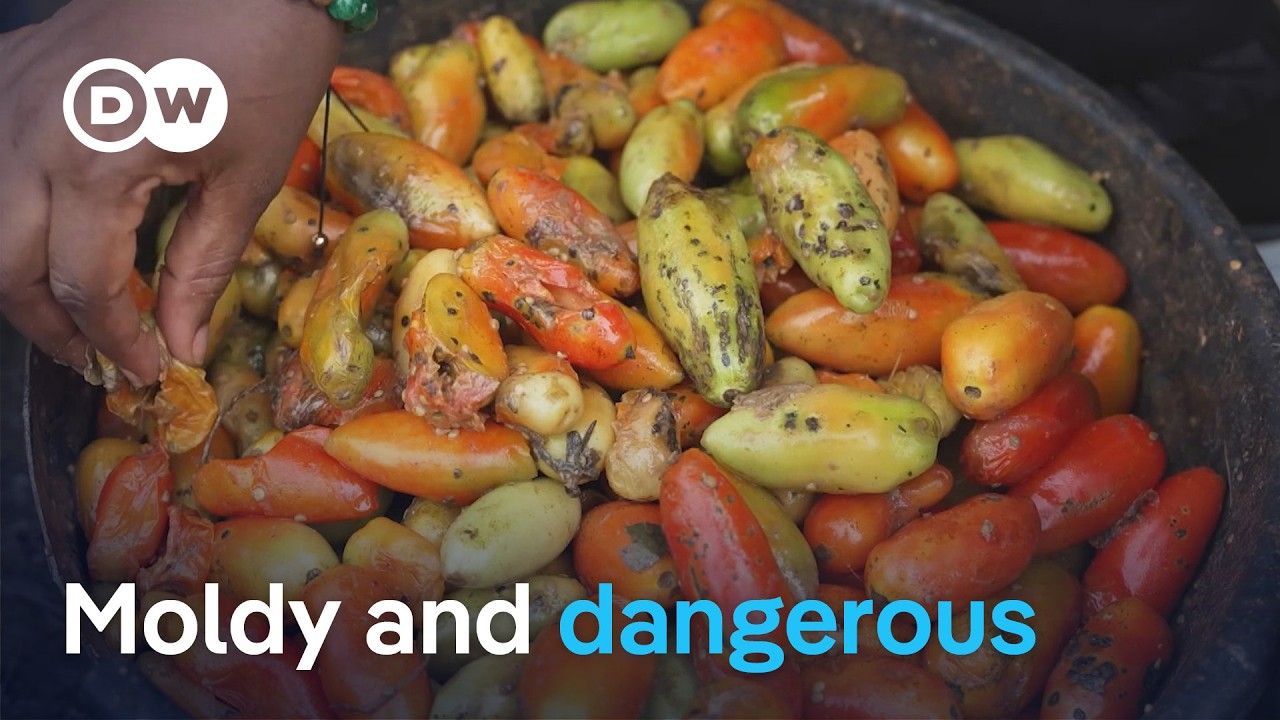
Video: Nigerians turn to moldy produce as 36 million face acute food insecurity

Nigerians turn to moldy produce as 36 million face acute food insecurity

Sep 17, 2026

The DW News segment examines the dilemma of millions of Nigerians choosing between hunger and consuming spoiled or moldy produce amid soaring food prices. It highlights Lagos authorities warning against moldy tomatoes due to risks of liver damage, aflatoxins, and cancer, with market scenes showing damaged 'esha' and 'baj' vegetables sold cheaply. Interviews with affected vendors, buyers, and experts illustrate desperation in Lagos and Abuja markets, alongside reports of conflict disrupting northern farming and poor infrastructure causing spoilage in transit. Sourcing combines on-the-ground reporting by DW's West Africa correspondent, Lagos State Consumer Protection Agency (LASCOPA) advisories, National Bureau of Statistics data, a recent UN report, and expert interviews with food safety specialist Dr. Adeniyi Odugbemi and food systems researcher Aisha Rahim Bolarinwa of Farms to You. The piece notes no response from federal consumer protection authorities and frames the crisis as driving harmful coping strategies.

Source: DW News

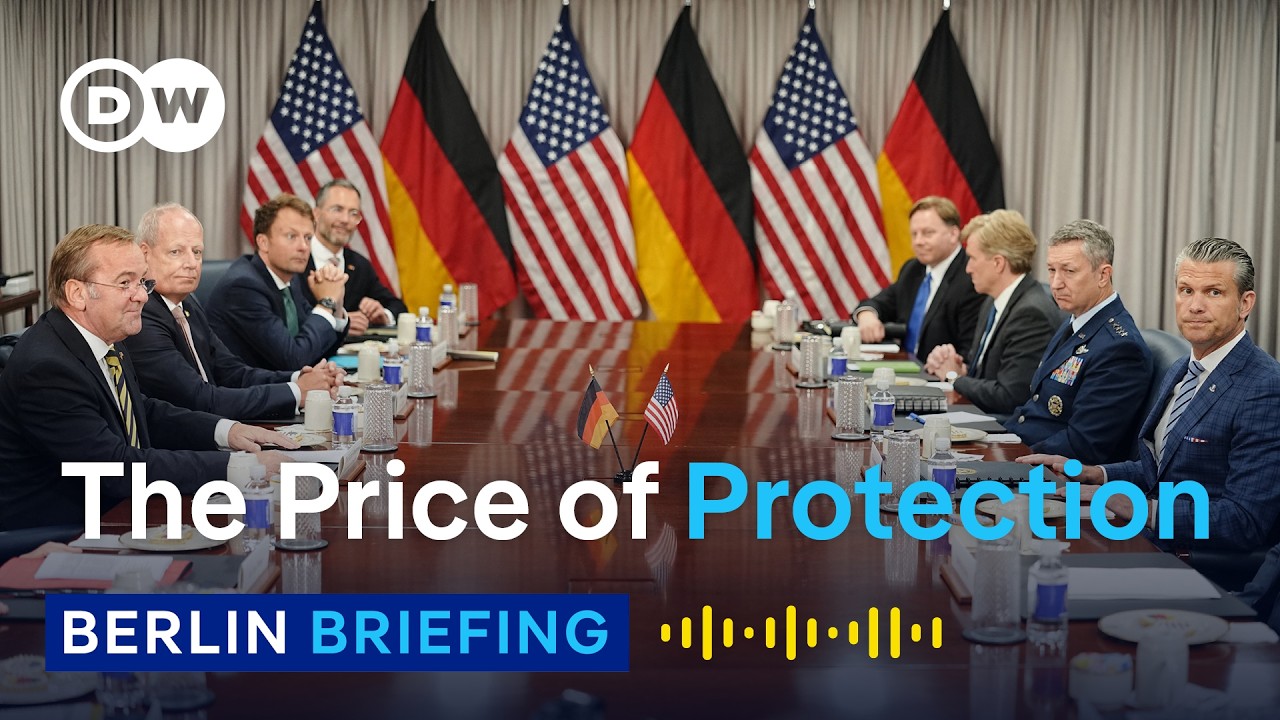
Video: Pistorius signs US arms pact, receives first F-35 amid German political crisis

Pistorius signs US arms pact, receives first F-35 amid German political crisis

Sep 17, 2026

The DW Berlin Briefing podcast examines German Defense Minister Boris Pistorius's Washington visit and meeting with US Secretary of Defense Pete Hegseth. The discussion centers on a new declaration of intent for joint defense production (F-35 components, Patriot missiles, potential Tomahawks), the handover of Germany's first F-35, and whether the deals represent alliance-building or primarily business. Hosts and correspondents Nina Haaser and Enis Paul also cover Chancellor Friedrich Merz's plunging approval (13%), the AfD's strong performance in the Saxony-Anhalt state election, and broader transatlantic strains over Russia, Ukraine, and US midterm distractions. Sourcing relies on direct interviews with Pistorius, on-the-ground reporting from the trip, and listener questions. Guests highlight Germany's €100bn+ special defense fund, US troop presence (~35,000-38,000), and Pistorius's push for European NATO pillar while buying American. The tone mixes cautious optimism on industrial cooperation with alarm over political instability and differing threat perceptions.

Source: DW News

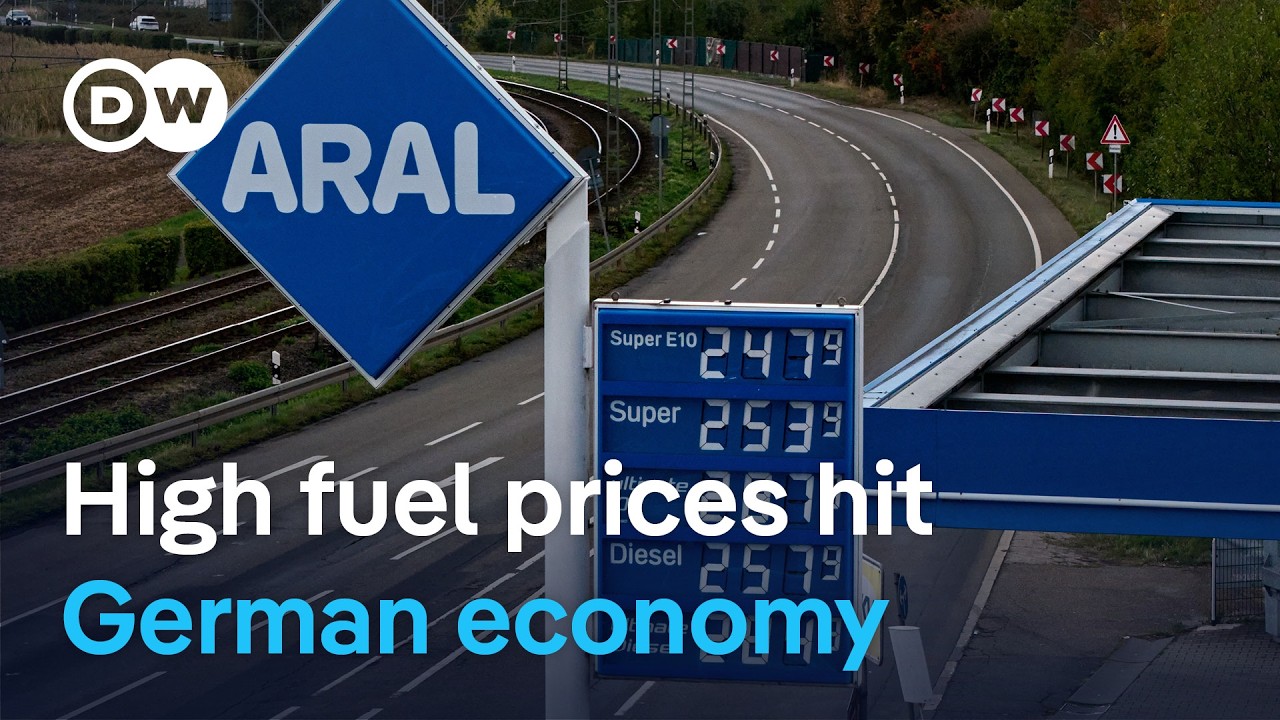
Video: Germany fuel prices hit records amid Iran conflict as Merz pledges relief

Germany fuel prices hit records amid Iran conflict as Merz pledges relief

Sep 15, 2026

The DW News segment reported soaring gasoline and diesel prices in Germany, reaching highs not seen since Russia's 2022 invasion of Ukraine. It linked the surge to the ongoing Middle East conflict with Iran, the closure of the Strait of Hormuz, and the end of a temporary government fuel tax cut introduced earlier in 2026. Interviews with drivers highlighted daily burdens, while Chancellor Friedrich Merz announced upcoming proposals for relief amid coalition disagreements. Political correspondent Bent Leo (or similar) discussed economic impacts on households, industry, inflation, and growth, plus Merz's low approval ratings and upcoming state elections where the AfD is campaigning on the issue. Sourcing relied on on-the-ground interviews, the chancellor's statements, and the correspondent's analysis citing unnamed economists and ministers (Economy Minister opposing broad subsidies, SPD Finance Minister favoring windfall taxes). Graphics showed price trends; throughline was political pressure on the fragile CDU-SPD coalition to act before elections.

Source: DW News

Free account · no card

See grades free with an account.

Letter grades, lean scores, charts, midterms tools, and Reader Reactions unlock the moment you sign up. No card required.

  • Grades on every report
  • Lean scores & charts
  • Quiz · midterms ballot · newsletter